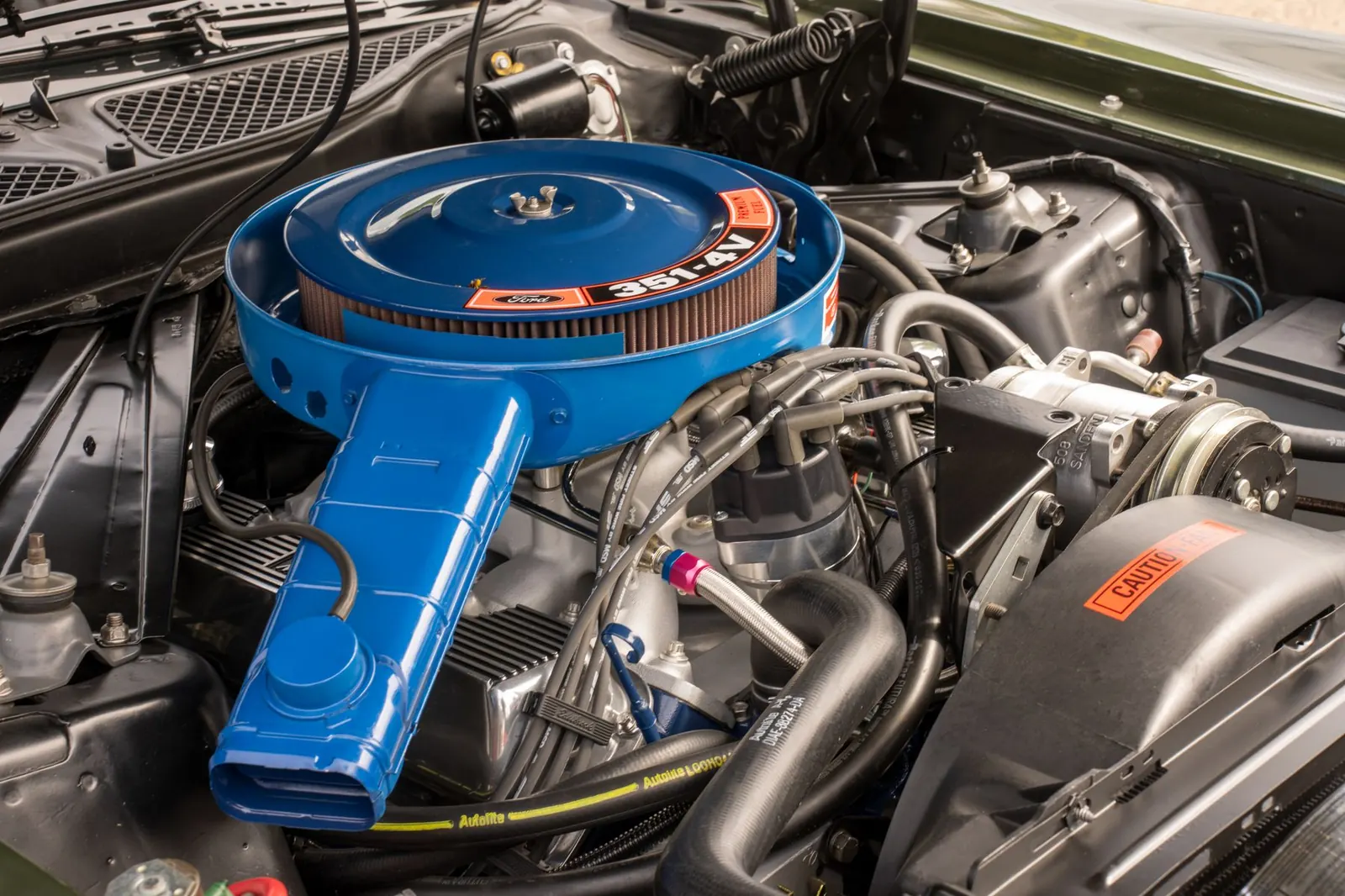
A cold air intake is the first bolt-on many owners buy, and the dyno numbers are smaller than the box suggests. K&N says its intakes typically add 15 to 25 horsepower. Five independent before-and-after dyno runs we found show gains of 4 to 21 wheel horsepower.
The four Hemi runs average 11.25 whp, or 3.9 percent.
We did not dyno a car for this guide. We read maker pages from K&N, two shop dyno reports and three magazine explainers on 18 November 2026. No brand pays us, and there are no affiliate links on this page.
What's New in Cold Air Intakes for 2026
A Canadian dyno shop, Dynomite Performance, published three Hemi tests side by side. It is one of the cleaner public data sets we found. It also tests two brands on the same car.
Motor1 ran an explainer in October. It says gains depend heavily on the engine and intake design. It warns that maker horsepower claims should be treated with caution.
K&N's current Silverado kit, the 63-3110, sells for $317.99. That is $50 off its $367.99 regular price.
How a Cold Air Intake Works
An engine is an air pump. It needs oxygen to burn fuel. Cooler denser air holds more oxygen in each intake stroke.
A cold air intake replaces the factory air box, tube and paper filter. It moves the air filter away from engine heat and uses a smoother tube than the stock air box. The aim is colder intake charge with less restriction.
Why factory intakes are restrictive. MotorTrend explains that carmakers use baffles and paper filters to keep noise down and filter the air. Those baffles hurt airflow. Aftermarket intakes remove them, which is also why they sound louder.
Why some intakes do nothing. Motor1 points out that some factory systems are already efficient. A poorly designed aftermarket air intake system can even pull hot air from under the hood. Hotter air is less dense, so power can drop.
Our Cold Air Intake Dyno Table
We gathered every clean before-and-after chassis dyno run we could find. Each row is one car, measured at the wheels on the same dyno before and after. The full data, with CSV, is in our intake dyno table.
| Car | Intake | Stock | With intake | Gain |
|---|---|---|---|---|
| 2019 Ram 1500 5.7 Hemi | K&N | 304 whp | 325 whp | +21 whp (6.9%) |
| Dodge Magnum RT 5.7 Hemi | K&N | 267 whp | 276 whp | +9 whp (3.4%) |
| Dodge Charger 5.7 Hemi | Flowmaster | 276 whp | 280 whp | +4 whp (1.4%) |
| Dodge Charger 5.7 Hemi | K&N | 276 whp | 287 whp | +11 whp (4.0%) |
| 2021 Mustang GT (tuned) | Steeda | 425 hp | 434.9 hp | about +9.9 hp |
What the table shows. The four Hemi runs average 11.25 wheel horsepower. The average gain is about 3.9 percent. None reached the bottom of K&N's 15 to 25 horsepower range except the Ram.
Torque can drop. The high-mileage Magnum gained 9 whp but lost 6 lb-ft of peak torque. Its engine had more than 250,000 km on it.
Brands differ on one car. On the same Charger, the K&N made 7 more peak wheel horsepower than the Flowmaster. Peak torque was nearly equal, 334 against 335 lb-ft.
A tune adds more. The Ram gained 31 whp over stock with an Edge Pulsar tune. On the Mustang, FordMuscle measured 410.8 horsepower stock. A Steeda tune and cold air intake together reached 434.9, a gain of 24.1 horsepower.
Does a Cold Air Intake Add Horsepower
Yes, a little, on most engines. The table above shows real gains from 4 to 21 wheel horsepower. K&N claims an average of 15 to 25 horsepower and notes that gains vary.
Think of it in percent. A gain of 3 to 7 percent at the wheels is hard to feel from the seat. The louder intake sound often feels like more power than the dyno shows. Motor1 makes the same point: sounding faster is not the same as being faster.
Where gains are bigger. Engines with very restrictive factory intakes gain more. So do engines that already have a tune, a turbo upgrade or other parts that move more air.
Cold Air Intake Cost
Most direct-fit intakes from big brands sell for a few hundred dollars. The K&N 63-3110 for 5.3L and 6.2L Silverado trucks is $317.99. K&N says it installs in about 60 minutes.
Cost per horsepower. At $317.99, K&N's own 15 horsepower floor works out to $21.20 per claimed horsepower. At 25 horsepower, it is $12.72. Real gains in our table were often lower, so your true cost per horsepower is likely higher.
Hidden costs. You may want a tune to get the most from it. You will also need filter cleaner for an oiled filter. K&N says its filter can go up to 100,000 miles before cleaning, against 12,000 to 24,000 miles for a paper filter swap.
Cold Air Intake Benefits Beyond Power
Engine sound. Removing factory resonators gives a deeper growl under throttle. This is the benefit most owners notice first, and it is why a stock air setup feels quiet by comparison.
Throttle response. Some systems sharpen throttle response, especially on drive-by-wire cars. Motor1 notes the difference varies by car and is not always noticeable.
A base for other mods. An intake helps more when you add a tune, a turbo or a freer exhaust. Pair it with a cat-back exhaust if sound is the goal.
Reusable filter. An oiled cotton air filter can be cleaned rather than thrown away. Paper air filters are cheap, but they are a regular purchase. K&N says its filter flows up to 50 percent more air than a paper filter, which is a maker claim we could not check.
Cold Air Intake Risks
Hydrolock. Motor1 warns that a filter mounted low can suck in water in deep standing water. Water in the cylinders can wreck an engine. Avoid low-mount filters if you drive through floods.
Hot air. An open filter in the engine bay with no heat shield can pull hot air. That can cost power. Look for a sealed air box or heat shield.
Check-engine lights. A bigger tube changes airflow past the MAF sensor. Good direct-fit kits are calibrated for this, but cheap universal kits may trigger codes.
Oil on the sensor. Over-oiling a cotton air filter after cleaning can foul the MAF sensor. Follow the cleaner kit's instructions.
Is a Cold Air Intake Legal
In most states, yes. California is strict. CARB grants an exemption called an Executive Order (EO) to parts shown not to raise emissions. Only parts with an EO can be installed on emission-controlled cars there.
K&N's own page warns that some intake systems are not legal on pollution-controlled vehicles in California. Before you buy, look up the EO number for your exact car and engine. Keep the EO label for smog checks.
How to Pick a Cold Air Intake
Step 1: Buy a direct-fit kit for your engine. It should come with dyno results for your car. K&N says its kits include dyno reports.
Step 2: Look for a heat shield or sealed air box. It keeps the filter fed with cooler air. Compare it with your stock air path: if the factory inlet already draws from the fender, gains may be small.
Step 3: Check filter height. Skip low-mount filters if you see standing water.
Step 4: Check emissions status. In California, you need an EO number.
Step 5: Plan a tune. The FordMuscle and Dynomite tests both show a tune adding more than the intake alone.
Get the workshop pack and new-issue alerts
Turbo-budget and stereo-quote worksheets, and an email when a new issue goes up. We'll send them after you confirm.
Cold Air Intake FAQ
Does a cold air intake add horsepower?
Yes, but usually less than the box claims. Independent dyno runs we found show 4 to 21 wheel horsepower on V8s, an average of 11.25 on four Hemi tests. K&N claims an average of 15 to 25 horsepower. Gains depend on how restrictive the factory air box is.
Is a cold air intake worth it?
It is worth it if you want more sound and a base for a tune. As a power mod alone, it adds about 3 to 7 percent at the wheels in the tests we found. A K&N truck kit costs $317.99, so the cost per horsepower is high compared with a tune.
Do I need a tune with a cold air intake?
Not always. Direct-fit kits are built to work on a stock tune. A tune adds more, though. On a 2021 Mustang GT, a Steeda tune and intake together added 24.1 horsepower. A Ram 1500 gained 31 wheel horsepower with an intake and an Edge tune.
Is a cold air intake legal in California?
Only if it has a CARB Executive Order for your car. CARB grants an EO to parts shown not to raise emissions. K&N warns that some of its intakes are not legal on pollution-controlled vehicles in California. Check the EO number before you buy.
Will a cold air intake void my warranty?
K&N says its intake will not void your factory warranty. A dealer can still deny a claim for a part it shows caused the failure. Keep your factory parts so you can put it back before service visits.
The Last Frame: Should You Buy a Cold Air Intake
Buy a cold air intake for the sound and as the first step toward a tune. Expect a few percent more power, not a transformation: our dyno table averages 11.25 wheel horsepower on four V8 runs. Pick a direct-fit kit with a heat shield, check your EO number if you live in California, and budget for a tune if power is the real goal.